Fifty-five inches is the size that fits most living rooms: big enough that 4K detail is visible from a sofa eight or nine feet away, small enough to sit on a standard TV stand or a bedroom wall. It is also the size where every panel technology is sold, from a basic LED set to QLED, Mini LED and OLED, so the price range is wide and the choice is real. We ranked the 55-inch TVs in our televisions catalog by panel type, refresh rate and gaming features, HDR format support, smart platform and the owner review history behind each one.
We have not measured these sets ourselves; the verdicts rest on the spec sheets and on what owners report after months of use. Prices are not printed because they change weekly, and every button opens the live Amazon page. For a bigger screen see our 65-inch TVs guide, and if the budget is the main constraint, TVs under $500 covers the cheap end across sizes.
How we picked
- 4K with real HDR. Every pick supports Dolby Vision or HDR10+; the better ones support both.
- A panel step above basic LED on five of six picks: QLED, Mini LED or OLED.
- Gaming readiness. We note refresh rate, VRR and ALLM on each pick; three have 120Hz or faster panels.
- A smart platform you will not fight. Fire TV, Google TV, Roku, Tizen and webOS are all represented.
- Owner ratings of 4.0 stars or better, with 650 to 2,700 reviews each. Sets rated under 4.0 or without a current price were excluded.
The picks
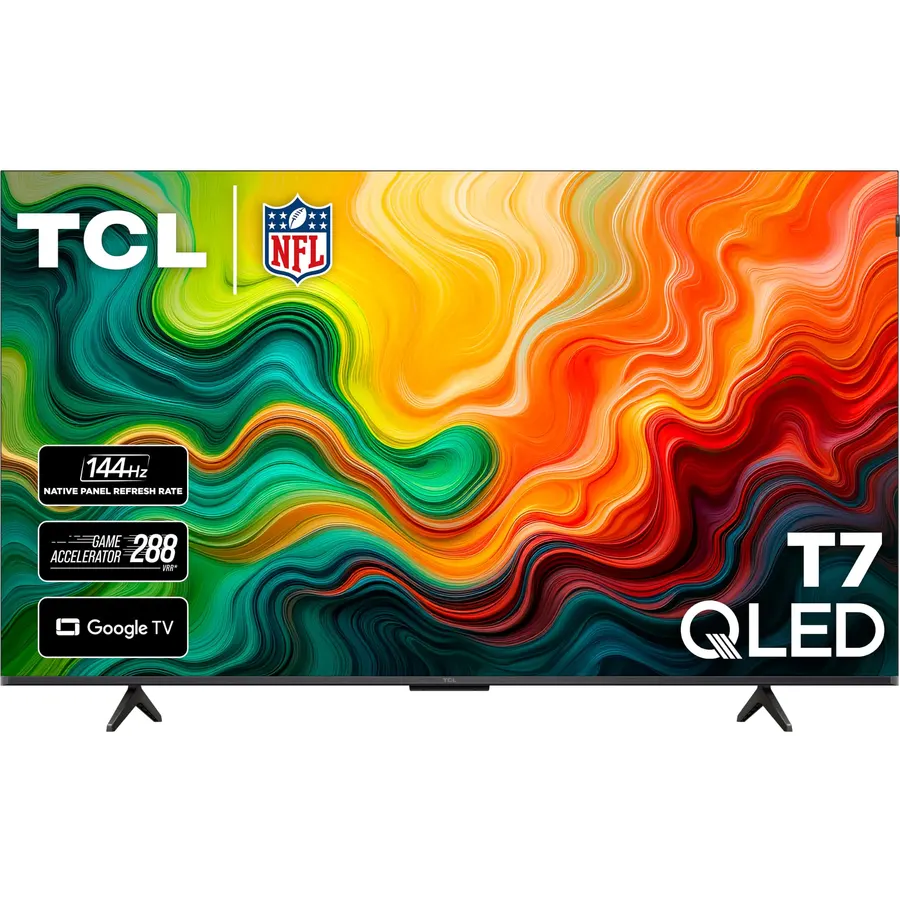
The TCL 55T7 does the things that matter at a price most buyers can live with. Its quantum-dot panel covers nearly the whole DCI-P3 gamut, so colors are richer than any plain LED TV, and it runs at a native 120Hz with 144Hz gaming support, which is the spec that separates a true gaming TV from one that merely has a game mode. TCL supports every HDR format, Dolby Vision and HDR10+ included, so Netflix, Disney+ and Prime all play in HDR, and Dolby Atmos passes through to a soundbar. The backlight is a direct LED array rather than Mini LED, so in a dark room blacks are not as deep as the Samsung M70H or the LG OLED below. Google TV is comprehensive if occasionally slow. Owners rate it 4.4 stars from 667 reviews, with motion handling and color the common praise.
- 120Hz panel with 144Hz VRR gaming, rare at this price
- Dolby Vision and HDR10+, so every streaming service plays in HDR
- Nearly full DCI-P3 color from quantum dots
- 667 owners at 4.4 stars
- Direct LED backlight, not Mini LED, so blacks are grey-ish in a dark room
- Google TV can feel slow on launch
- Newer model with a modest review base
Hisense 55 E6 Cinema Series Hi-QLED 4K UHD Smart Fire TV (55E6QF) - AI Light Sensor, Dolby Vision Atmos, Voice Remote with Alexa, Motion Rate 120, HDR 10+ Adaptive, Game Mode Plus
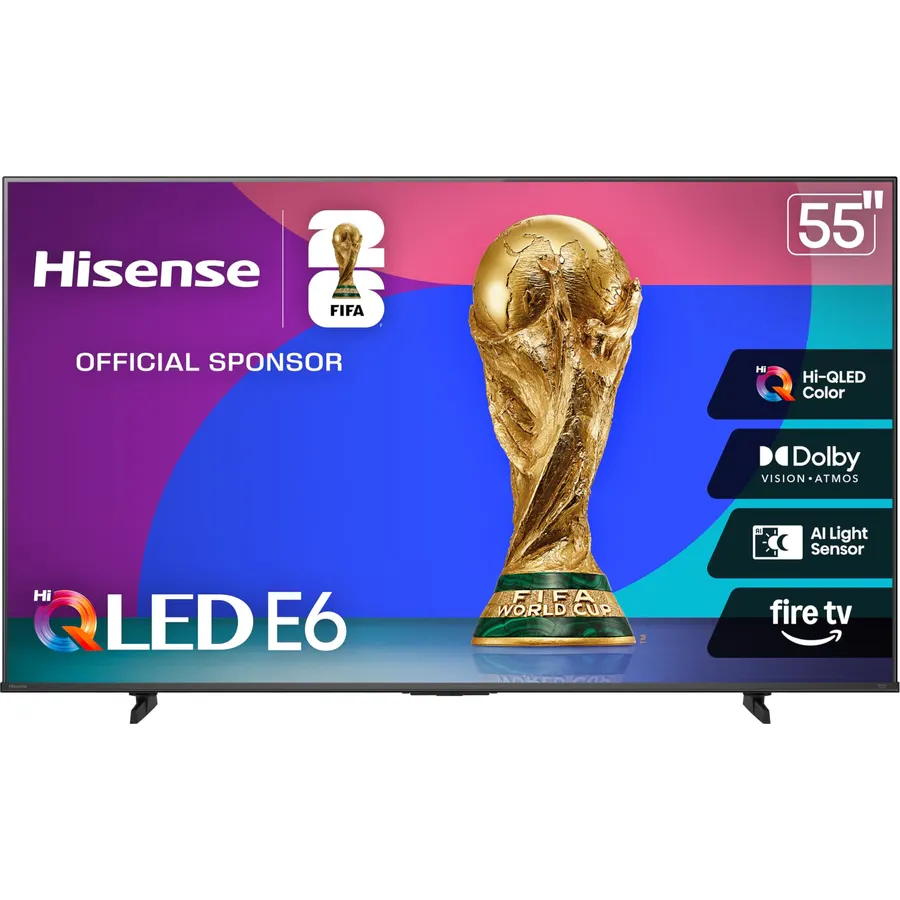
The Hisense 55E6QF is the budget 55-inch that more people have bought and reviewed than any other in our catalog, and it is honest about what it is. You get quantum-dot color, Dolby Vision and HDR10+ Adaptive, Dolby Atmos pass-through, Filmmaker Mode and an ambient light sensor, which is a strong feature list for the price. The panel is 60Hz, so the Motion Rate 120 figure is processing rather than a true high refresh rate, and gaming is limited to 4K 60. Fire TV puts Prime Video front and center and its home screen carries ads, but Alexa voice search works well. Owners rate it 4.0 stars across 2,700 reviews, lower than the other picks; complaints center on backlight uniformity and the Fire TV interface, praise on the color and the price. It is the right pick when cost comes first.
- Most reviewed 55-inch TV in our catalog, with 2,700 owners
- Dolby Vision, HDR10+ Adaptive and Filmmaker Mode on a budget set
- AI light sensor adjusts brightness to the room
- Fire TV with Alexa, hands-free search
- 4.0 stars, the lowest rating on this page
- 60Hz panel; Motion Rate 120 is processing, not refresh
- Fire TV home screen is ad-heavy
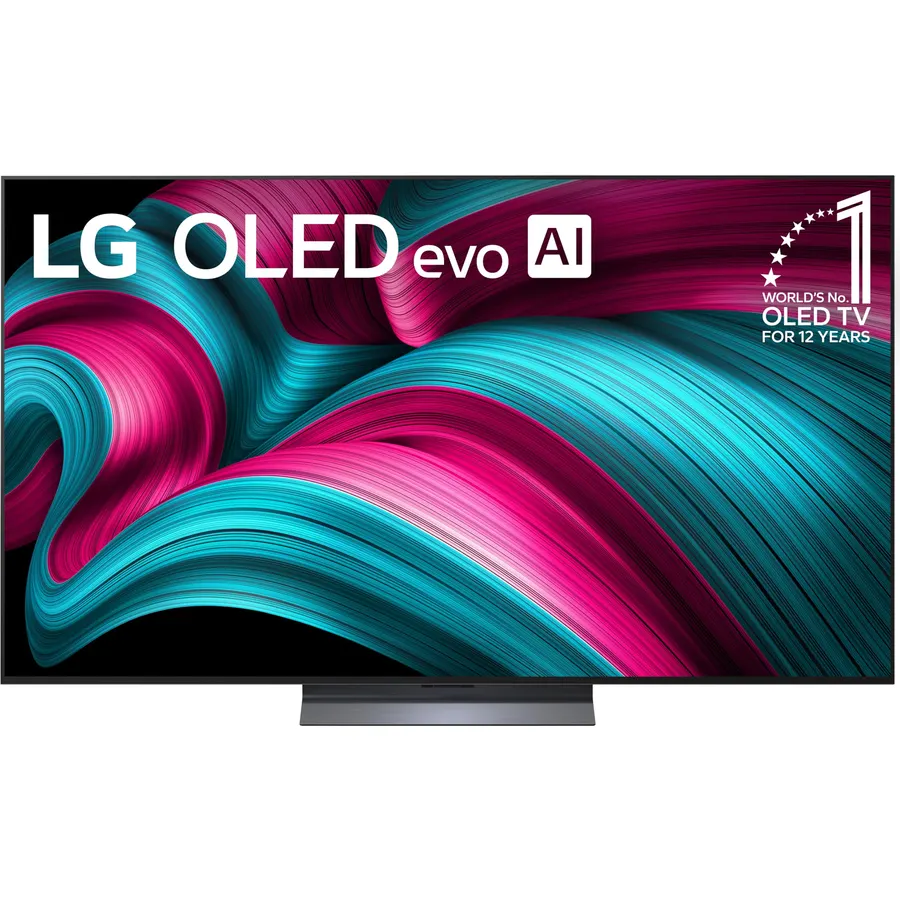
The LG C5 is the TV to buy if picture quality is the point and the budget allows. OLED pixels switch off individually, so blacks are truly black and contrast is effectively infinite, something no backlit TV on this page can do, and LG’s Brightness Booster lifts peak brightness enough that the C5 holds up in a lit living room, with UL glare certification to back it. The Alpha 9 Gen8 processor upscales cable and older content cleanly with AI Super Upscaling, Dolby Vision and Filmmaker Mode are supported, and webOS is quick. LG calls it its most popular OLED, and twelve years of OLED refinement show in the picture. The price is the obvious objection, and OLED remains a little dimmer than Mini LED for bright-room sports and carries a small long-term burn-in risk. Owners do not care: 1,500 of them rate it 4.4 stars.
- Perfect blacks and infinite contrast from self-lit pixels
- Brightness Booster makes it usable in a bright room
- Alpha 9 Gen8 processor and excellent upscaling
- 1,500 owners at 4.4 stars
- Costs three to five times the budget picks
- OLED can suffer burn-in with static images over years
- Not as bright as a Mini LED for daytime sports
INSIGNIA 55-inch Class QF Series LED 4K UHD QLED Smart Fire TV with Alexa Voice Remote (NS55-UQFL26)
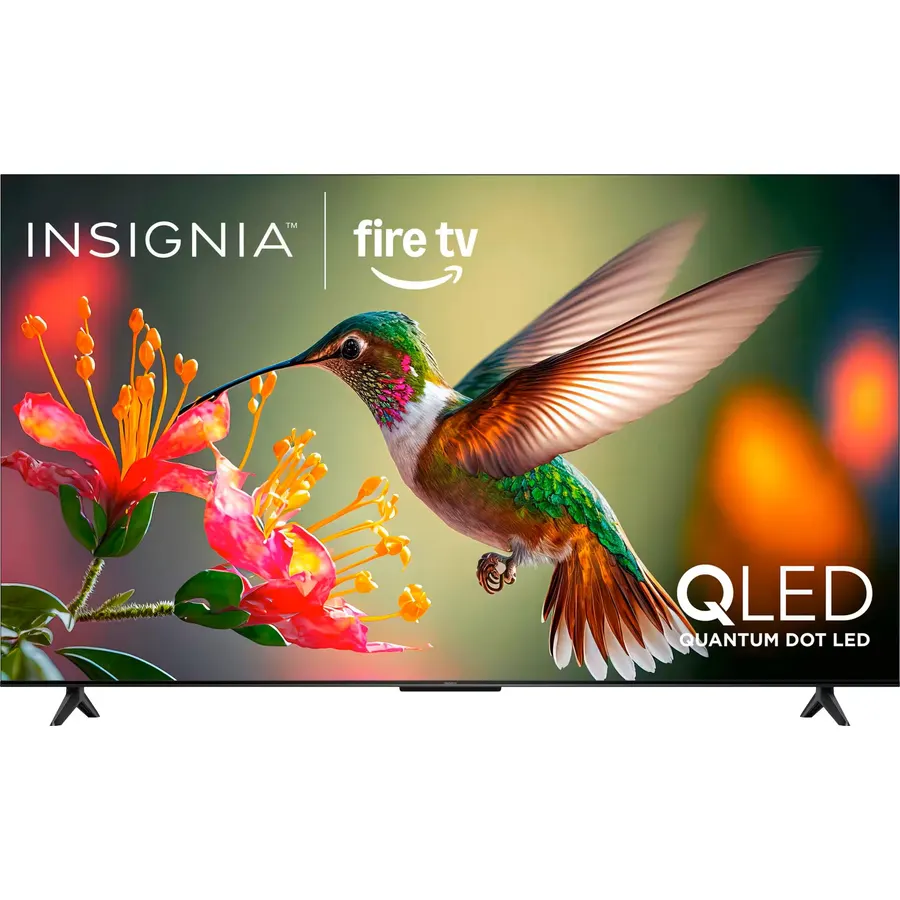
Insignia is the Best Buy house brand, and its QF series is the cheapest way to get quantum-dot color and Dolby Vision in a 55-inch TV. The direct LED backlight spreads light evenly, which helps the budget panel avoid the cloudy corners that cheap edge-lit sets suffer, and Dolby Atmos pass-through means it will feed a soundbar properly. It runs Fire TV with the Alexa voice remote, the same platform as the Hisense E6 above, with the same ad-heavy home screen. There is no high-refresh gaming and the picture menus are simpler than TCL or Hisense offer. What stands out is the rating: 1,165 owners give it 4.4 stars, higher than the Hisense, and the reviews describe a bright, colorful TV that punches above its price. For a bedroom, a kids room or a first 4K TV, it is hard to argue with.
- Quantum-dot color at the lowest price on this page
- Dolby Vision and Dolby Atmos
- Direct LED backlight for even brightness
- 1,165 owners at 4.4 stars
- 60Hz panel with no high-refresh gaming
- Insignia has fewer picture settings than Hisense or TCL
- Fire TV ads on the home screen
Samsung 55-Inch Class M70H Series, Mini LED, 4K, Smart TV, 2026 Model
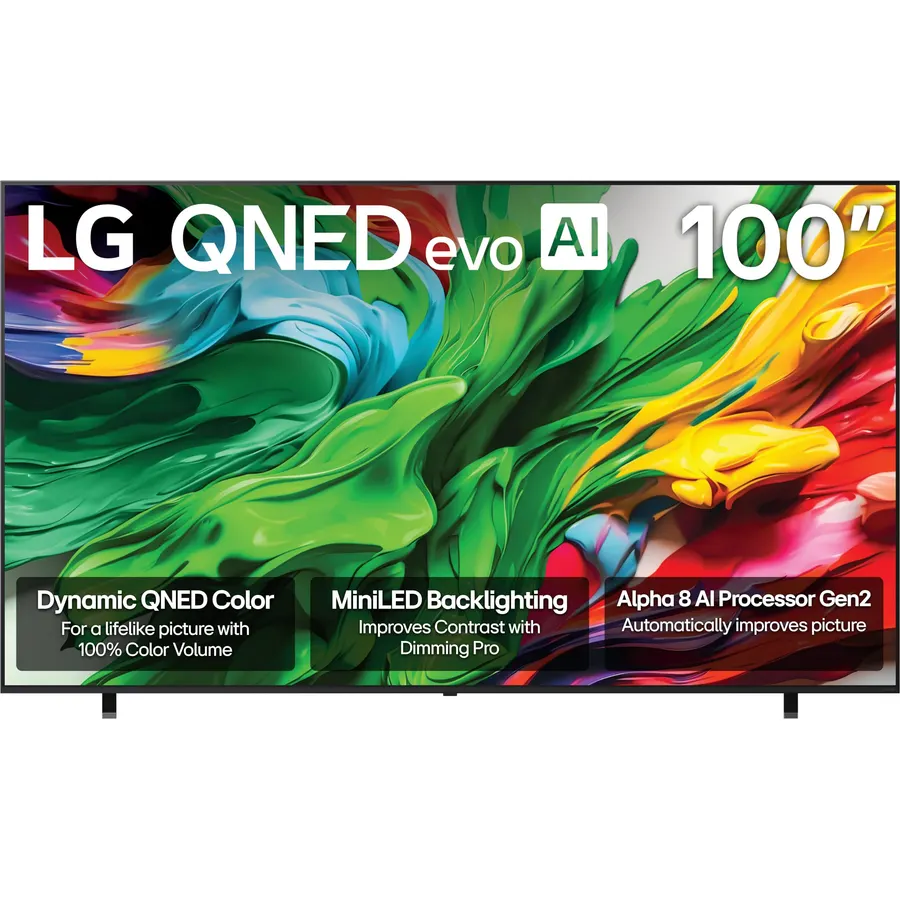
Samsung’s 2026 M70H is the cheapest Mini LED TV in our catalog at 55 inches. Thousands of tiny LEDs behind the panel are dimmed in zones, so a dark scene with a bright object shows deeper blacks and less halo than the direct-LED TCL and Hisense sets can manage. Samsung’s Pure Color Spectrum processing delivers a billion colors and Mini LED HDR boosts highlights, and the Tizen platform includes Samsung TV Plus with more than 750 free channels plus Knox security for the TV’s data. Gaming gets a DLG 120Hz mode, which doubles frame rate by halving vertical resolution; it is useful but not the same as the TCL’s native 120Hz panel. As with every Samsung, there is no Dolby Vision, only HDR10+. It is new, so 708 reviews at 4.2 stars is a short but positive record.
- Mini LED local dimming for deeper blacks than the TCL or Hisense
- DLG 120Hz mode for smoother gaming
- Samsung Tizen with Samsung TV Plus free channels
- 708 owners at 4.2 stars
- No Dolby Vision; Samsung supports HDR10+ instead
- DLG 120Hz halves vertical resolution in that mode
- 2026 model with a short review history
Roku Smart TV 55-Inch Pro Series 4K QLED RokuTV with Backlit Roku Voice Remote Pro, Dolby Vision IQ, 120Hz Refresh Rate
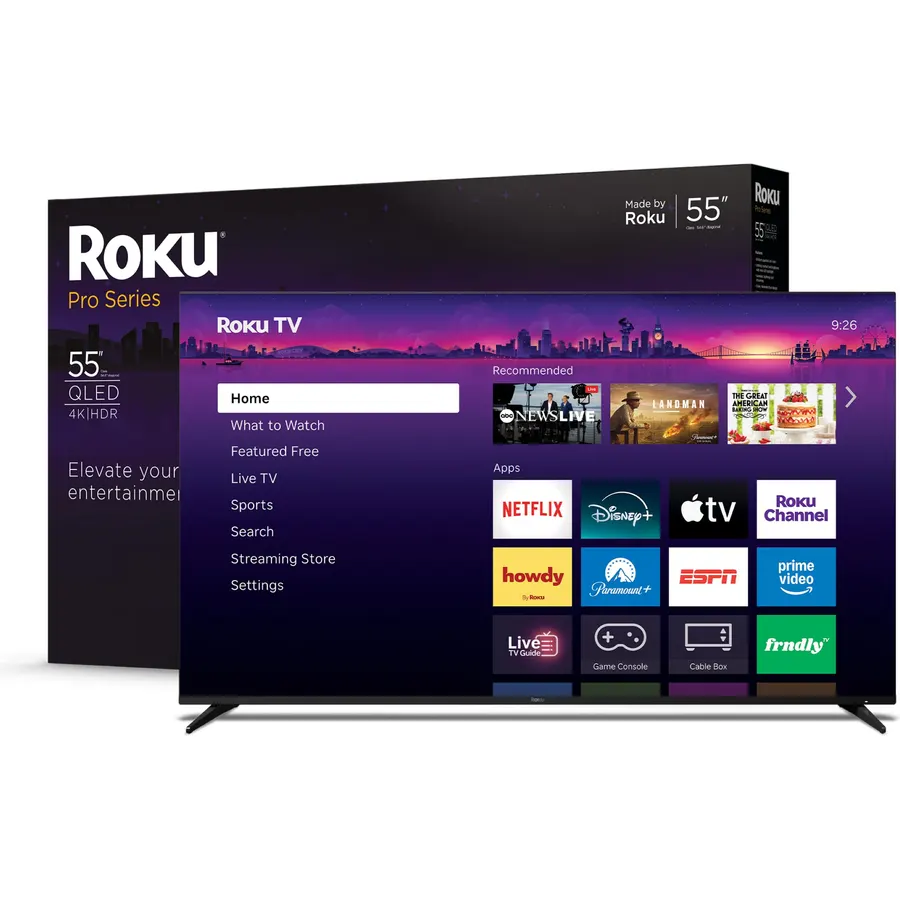
Roku’s own Pro Series is what happens when the company that makes the easiest streaming platform builds a premium TV around it. The 55-inch Pro has a QLED panel backed by thousands of Mini LEDs, a true 120Hz refresh rate with FreeSync Premium Pro, VRR and ALLM for consoles, and Dolby Vision IQ that adjusts HDR to room light. Roku Smart Picture Max uses AI to clean up broadcast signals and tune color scene by scene, and the backlit Voice Remote Pro is the best remote on this page. The Roku interface itself is the draw: fast, neutral between services and simple enough for anyone. It costs more than the other LED sets here and offers fewer fine picture controls than LG or Samsung. Owners rate it 4.3 stars from 655 reviews, citing the Mini LED picture and the platform.
- Mini LED QLED with a true 120Hz panel
- Dolby Vision IQ and FreeSync Premium Pro
- Roku remains the simplest smart TV platform
- Backlit remote with voice; 655 owners at 4.3 stars
- The most expensive LED TV on this page
- Roku home screen shows ads
- Fewer picture adjustments than LG or Samsung
Compare the picks
| Product | Panel | Refresh / gaming | HDR formats | Platform | Owner rating | Our score | |
|---|---|---|---|---|---|---|---|
| TCL 55T7TCL | QLED, direct LED | 120Hz native, 144Hz VRR | Dolby Vision, HDR10+ | Google TV | 4.4 (660+) | 8.8 | See price |
| Hisense 55E6QFHisense | Hi-QLED | 60Hz, Game Mode Plus | Dolby Vision, HDR10+ Adaptive | Fire TV | 4.0 (2,700+) | 8.0 | See price |
| LG OLED C5LG | OLED evo | Not stated in listing | Dolby Vision | webOS | 4.4 (1,500+) | 8.8 | See price |
| Insignia QF QLEDINSIGNIA | QLED, direct LED | 60Hz | Dolby Vision | Fire TV | 4.4 (1,100+) | 8.8 | See price |
| Samsung M70HSamsung | Mini LED | DLG 120Hz | HDR10+ (no Dolby Vision) | Tizen | 4.2 (700+) | 8.4 | See price |
| Roku Pro SeriesRoku | QLED Mini LED | 120Hz, FreeSync Premium Pro | Dolby Vision IQ | Roku TV | 4.3 (650+) | 8.6 | See price |
QLED, Mini LED or OLED at 55 inches?
QLED means a quantum-dot film that widens the color range of an LED TV; the TCL, Hisense and Insignia picks use it with a conventional direct LED backlight, so color is rich but blacks in a dark room are grey. Mini LED, on the Samsung M70H and Roku Pro, shrinks the backlight into thousands of zones that dim independently, producing deeper blacks and brighter highlights. OLED, on the LG C5, has no backlight at all: each pixel emits its own light, so blacks are perfect and viewing angles are wide, at the cost of a higher price and slightly lower peak brightness. For a bright living room with daytime sports, Mini LED is the sweet spot; for movies in a dim room, OLED is in a class of its own.
Gaming on a 55-inch TV
Console gamers should look for a native 120Hz panel, VRR and ALLM. The TCL 55T7 (144Hz VRR) and the Roku Pro Series (120Hz with FreeSync Premium Pro) state those features outright; the LG C5 listing does not spell out its gaming specs, so check the live page. The Samsung M70H offers a DLG 120Hz mode that trades vertical resolution for frame rate, which is fine for fast shooters but not a true 4K 120 experience. The Hisense E6 and Insignia QF are 60Hz sets with game modes that cut input lag; they are perfectly good for casual play. Our TVs for gaming on PS5 and Xbox guide goes deeper on HDMI 2.1 and VRR.
Smart platforms and sound
Fire TV (Hisense, Insignia) is Alexa-first and ad-heavy but has every app. Google TV (TCL) is comprehensive and personalizes recommendations. Roku is the simplest and most neutral. Samsung Tizen and LG webOS are polished and fast, with free channel services built in. Whichever you pick, built-in TV speakers at this size are thin; every set here passes Dolby Atmos to a soundbar, and our soundbars for TV guide covers options from a compact bar to a full system. If you ever outgrow the built-in platform, a streaming device swaps it for another in minutes.
How far should I sit from a 55-inch 4K TV?
About 7 to 9 feet is comfortable for most rooms. Closer than 6 feet and a 55-inch screen fills your view enough that some people prefer a 50-inch; beyond 10 feet, a 65-inch set shows more of the 4K detail.
Is a 55-inch OLED worth the extra cost over QLED?
For movies in a dim room, yes: the LG C5 delivers perfect blacks and contrast no backlit TV can match. For a bright room and sports, a Mini LED like the Roku Pro or Samsung M70H gets you most of the way for much less.
Which 55-inch TV is best for PS5 or Xbox Series X?
The TCL 55T7 with its 144Hz VRR panel or the Roku Pro Series with 120Hz, FreeSync Premium Pro, VRR and ALLM. The LG C5 OLED is also a popular gaming choice, but its listing does not state refresh rate or VRR, so confirm on the live page.
Do all of these TVs support Dolby Vision?
All except the Samsung M70H. Samsung uses HDR10+ instead of Dolby Vision on every TV it makes, which matters mainly for Netflix and Disney+ titles mastered in Dolby Vision.
What is the difference between Motion Rate 120 and a 120Hz panel?
Motion Rate and similar figures describe processing on a 60Hz panel. A native 120Hz panel, like the TCL 55T7 or Roku Pro, actually displays 120 frames per second and is what console gamers need for 4K 120 modes.
Prices and stock change daily. The buttons above open Amazon so you always see the current price. We may earn a commission if you buy through them, at no extra cost to you.
Do Best Deal is a participant in the Amazon Services LLC Associates Program. As an Amazon Associate we earn from qualifying purchases. If you buy through links on this site we may earn a commission, at no extra cost to you. Learn more.