Ten years ago a gaming mouse weighed 100 grams and shipped with extra weights. Today the esports standard is under 60 grams, because a light mouse is faster to flick, easier to stop and less tiring, and the shells no longer need holes to get there. We ranked the lightweight mice in our mice catalog by weight, sensor and switch quality, wired or wireless connection and battery life, shape and grip fit, and what thousands of owners report after months of play.
We have not tested every one of these ourselves; the verdicts rest on the spec sheets and on the owner review history. Prices are not printed because they change daily; every button opens the live Amazon page. See also our wireless gaming mice and gaming mouse under 50 guides.
How we picked
- Weight first. Every pick is 62 grams or less; the top picks are 50 to 55 grams.
- A current sensor. Flagship sensors on the premium picks; at least an 8,000 DPI optical sensor on the budget ones.
- Switches that last. Optical switches with no double-click risk were preferred; mechanical switches rated for 60 million clicks were acceptable.
- Shapes for both grips. Symmetrical and right-handed ergonomic shapes are both here.
- Owner ratings of 4.3 stars or better, most picks past 1,000 reviews.
The picks
Razer Viper V3 Pro Wireless Esports Gaming Mouse, 54g Lightweight, Black
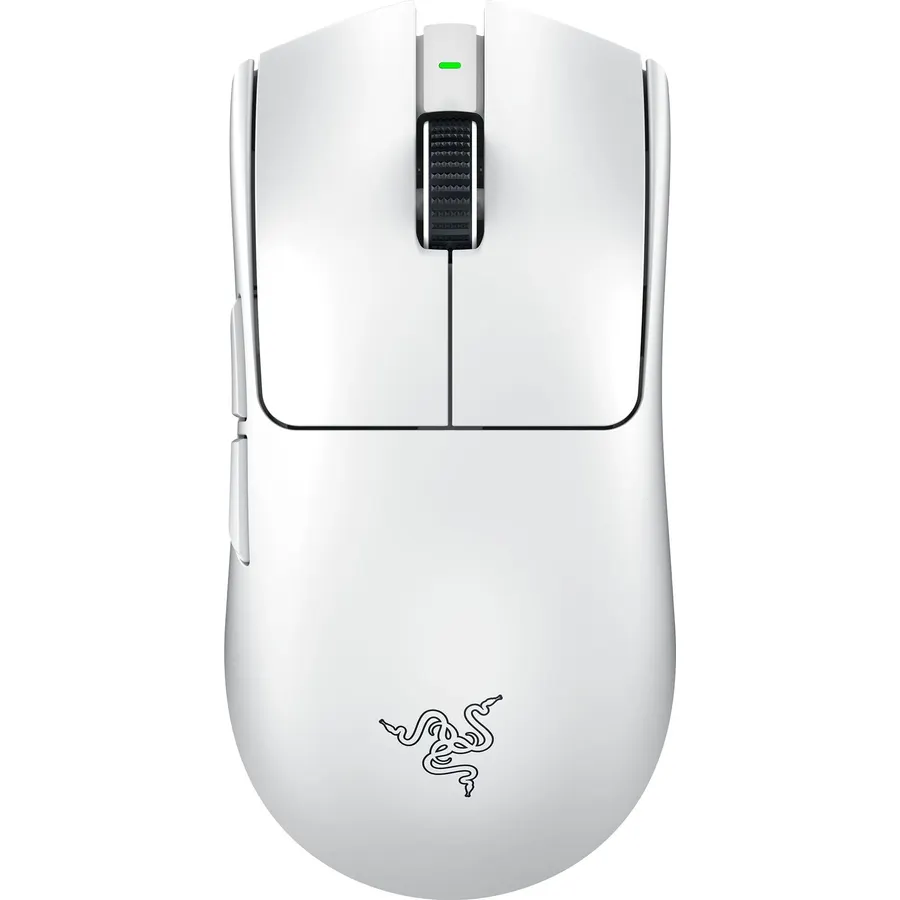
The Viper V3 Pro is the mouse that top FPS players reach for, and the spec sheet shows why: 54 grams in a solid symmetrical shell, Razer’s Focus Pro 35K Gen-2 sensor that tracks on glass and adjusts DPI in single steps, and HyperPolling wireless that reports a true 8000 times a second. Gen-3 optical switches have no metal contact, so they actuate in 0.2 ms and never develop the double-click fault that kills mechanical mice. Battery life is up to 95 hours at standard polling and much less at 8000 Hz, and there is no Bluetooth. About 2,300 owners rate it 4.6 stars. It is expensive, but if you play competitive shooters this is the lightweight mouse to buy.
- 54 g with no holes in the shell
- True 8000 Hz wireless polling
- Optical switches cannot double-click
- 4.6 stars from about 2,300 owners
- Premium price
- Battery life drops sharply at 8000 Hz
- No Bluetooth; HyperSpeed dongle only
Razer Viper Mini - Wired Gaming Mouse for PC/Mac (Ultralight 61g, Ambidextrous, Speedflex Cable, 8500 DPI Optical Sensor, Chroma RGB Illumination) Black
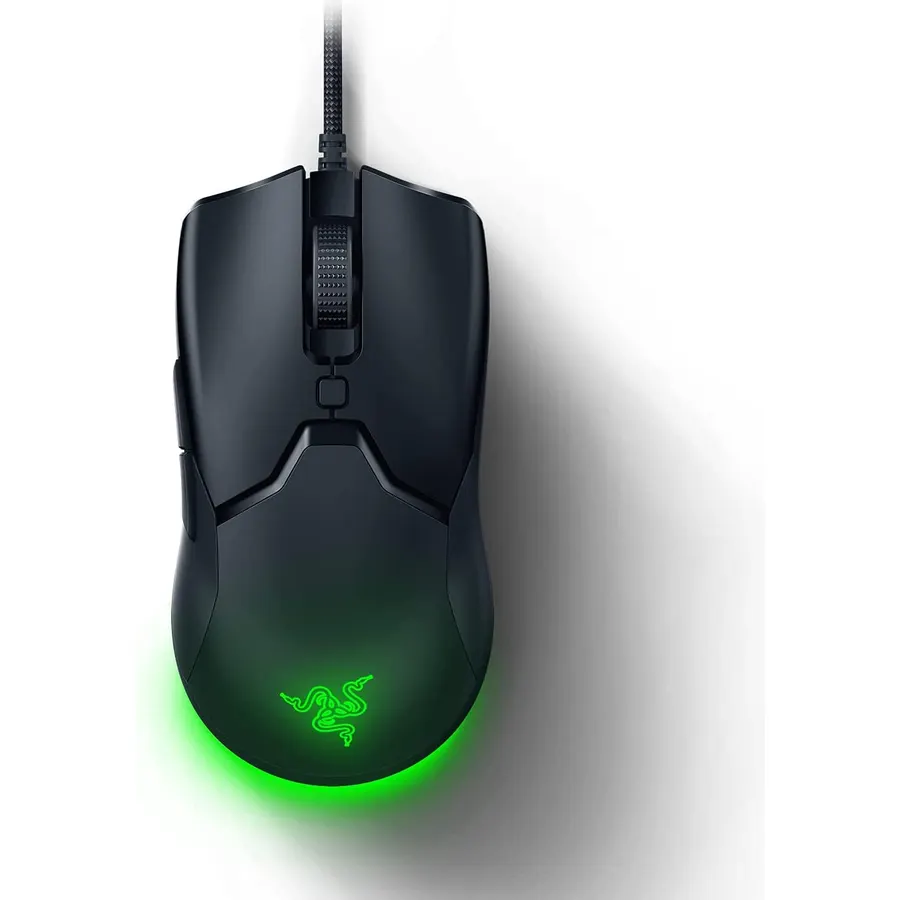
The Viper Mini is the lightweight gaming mouse that made the category affordable. It weighs 61 grams without a honeycomb shell, uses Razer optical switches rated for 50 million clicks, and its Speedflex cable is light enough that most owners say it feels close to wireless on a bungee. The 8,500 DPI sensor is modest on paper but accurate in use, and six programmable buttons cover the usual needs. Its size is the real decision: it is a small mouse, ideal for small to medium hands and claw grips, cramped for large hands and palm grips. About 10,600 owners rate it 4.3 stars, the largest review base here. To try a light mouse without spending much, start here.
- About 10,600 owner reviews at 4.3 stars
- 61 g with a solid shell at a budget price
- Optical switches at this price are rare
- Small shape suits small hands and claw or fingertip grips
- Too small for large hands or a palm grip
- Wired only
- 8,500 DPI sensor is modest next to the premium picks
Razer Orochi V2 Wireless Gaming Mouse, Ultra Lightweight & Portable, Bluetooth & 2.4Ghz Wireless Connectivity, 18K DPI, Up to 950hrs Battery Life, Compatible with PC & Mac, White
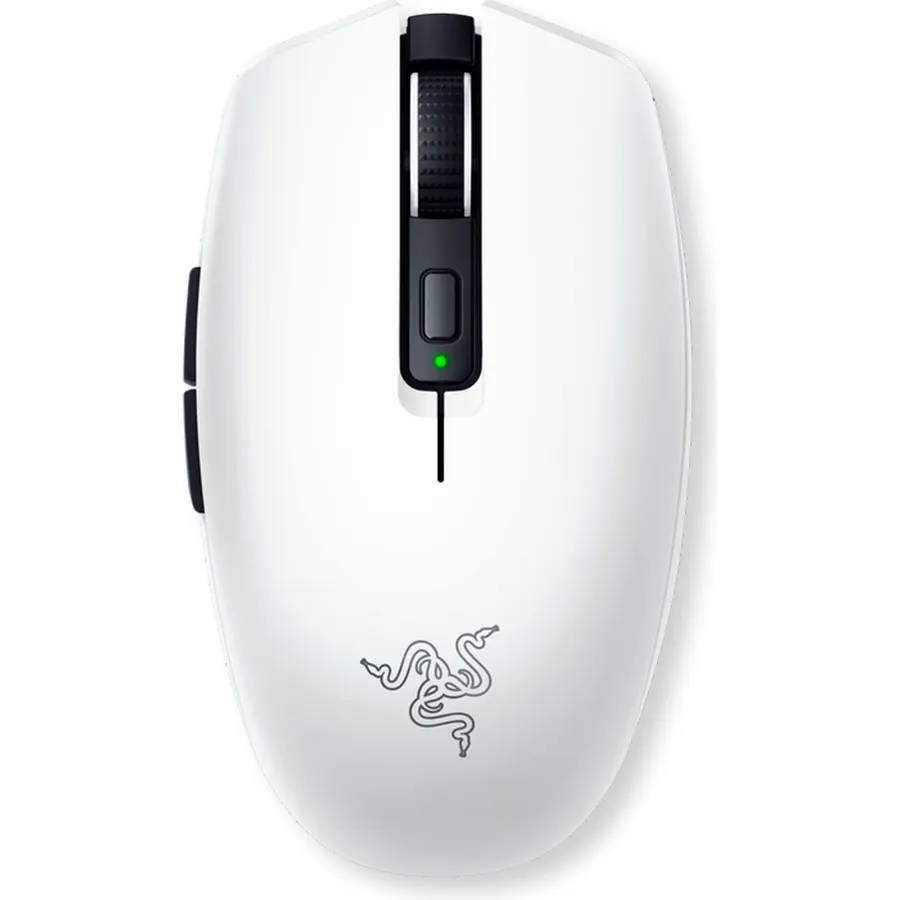
The Orochi V2 is the lightweight mouse for someone who games on a laptop and also needs a mouse for work. It connects over Bluetooth or Razer’s low-latency HyperSpeed dongle, runs on a single AA or AAA cell for up to 950 hours on Bluetooth and 425 on HyperSpeed, and weighs 60 grams before the battery; use an AAA and it stays very light. The 18K sensor and mechanical switches are a step below the Viper V3 Pro but adequate, and the compact symmetrical shell suits claw and fingertip grips. About 5,600 owners rate it 4.4 stars and praise the battery life. Pick it for a backpack; pick a Viper for a desk.
- Dual wireless: Bluetooth for a laptop, HyperSpeed for games
- Up to 950 hours on one battery
- 60 g before the battery, small enough for any bag
- 4.4 stars from about 5,600 owners
- Battery adds weight; an AAA keeps it lightest
- Compact shape is small for large hands
- Mechanical rather than optical switches
Logitech G PRO X Superlight 2 DEX SE Gaming Mouse - Black
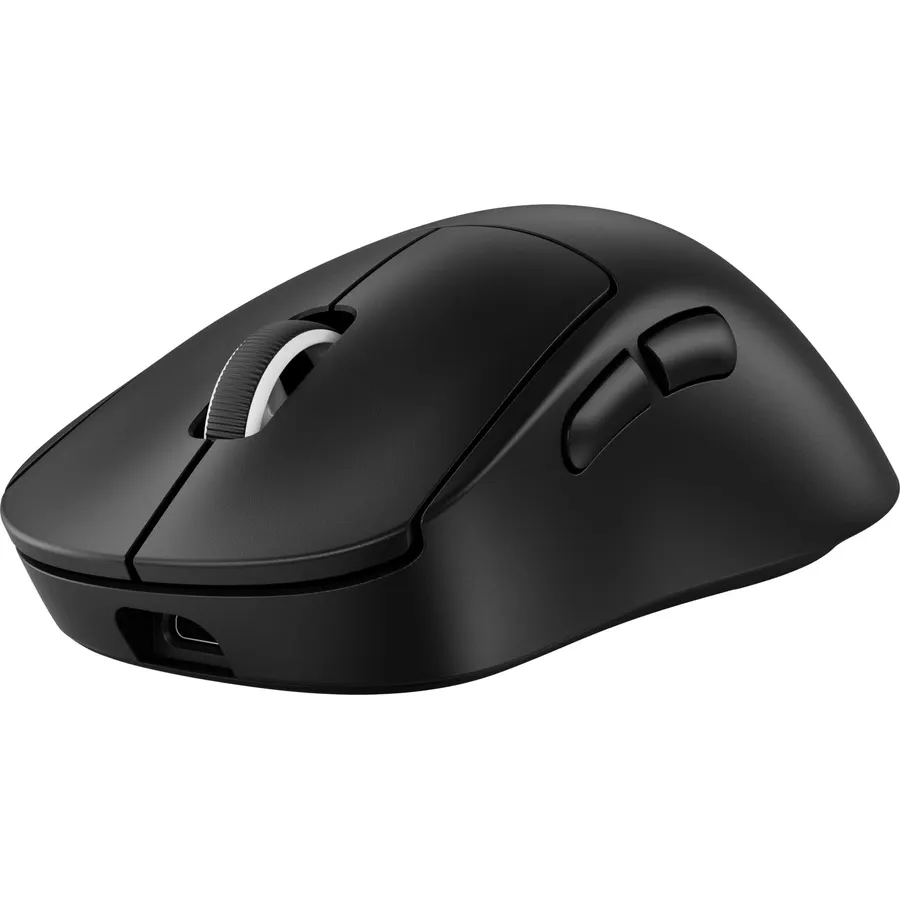
The Superlight 2 DEX is Logitech’s answer to players who found the symmetrical Superlight uncomfortable: the same 60-gram weight and HERO 2 sensor, tracking up to 44,000 DPI at 888 inches per second, in an asymmetrical right-handed shell that fills the palm. Lightforce switches combine an optical trigger with a mechanical click feel, battery life is up to 88 hours over Lightspeed wireless, and it charges over USB-C. This SE edition polls at 1 kHz rather than the 8 kHz of the full DEX, a difference most players will never notice. About 580 owners rate it 4.5 stars. If the Viper’s flat shape leaves your hand floating, this is the lightweight mouse built for you.
- Right-handed contour at 60 g
- HERO 2 sensor and Lightforce switches from the flagship line
- 88 hours of battery with USB-C charging
- 4.5 stars from about 580 owners
- SE model runs at 1 kHz, not the 8 kHz of the full version
- Right-handed only
- Priced near the Viper V3 Pro
Razer DeathAdder V3 HyperSpeed Wireless Gaming Mouse: 55g Lightweight - USB C Charging - Up to 100 Hr Battery - Advanced 26K Optical Sensor - Gen-3 Optical Switches - 8 Programmable Controls - Black
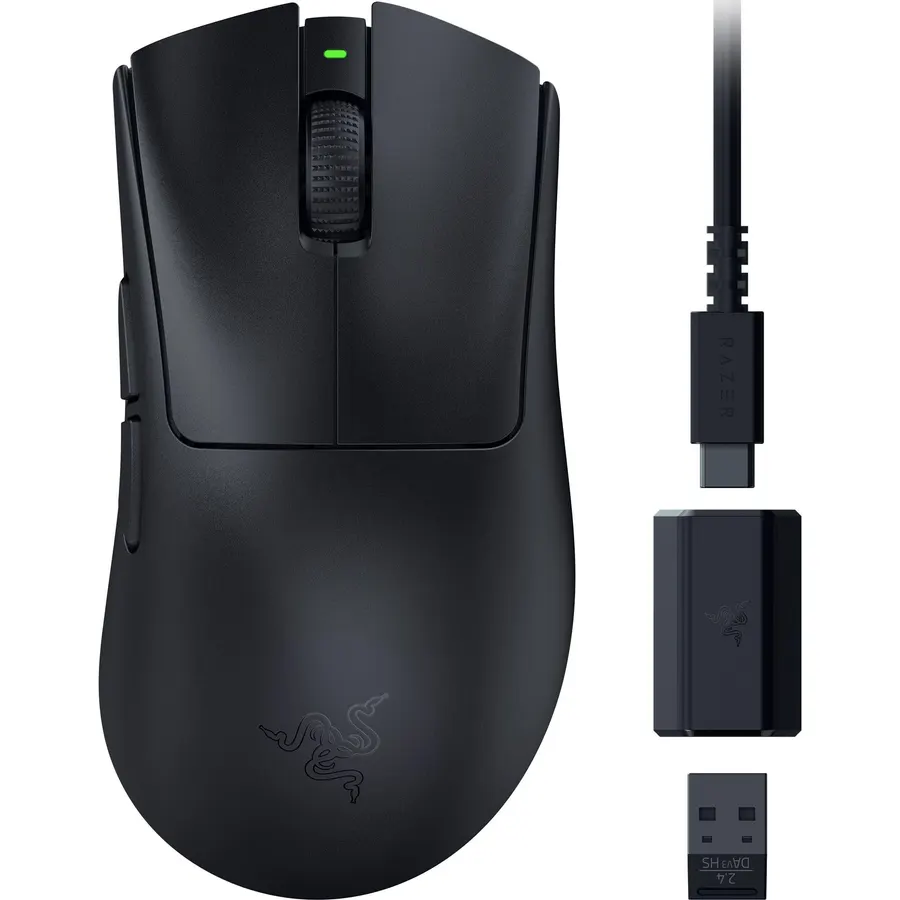
The DeathAdder V3 HyperSpeed brings the most-copied ergonomic shape in gaming down to 55 grams, lighter than the Superlight DEX and only a gram above the Viper V3 Pro. Razer’s Focus X 26K sensor and Gen-3 optical switches handle tracking and clicks, battery life reaches 100 hours over HyperSpeed wireless, and it charges over USB-C. Eight programmable controls include the DPI buttons. The shape was refined with esports pros and the smooth-touch coating is comfortable, though some owners with damp hands wish for texture. Polling is 1000 Hz out of the box and can be upgraded to a true 8000 Hz with Razer’s HyperPolling dongle, sold separately. About 580 owners rate it 4.4 stars.
- The classic DeathAdder shape at just 55 g
- 100 hours of battery and USB-C charging
- Optical Gen-3 switches
- 4.4 stars from about 580 owners
- 8000 Hz needs a separately sold dongle
- Right-handed only
- Smooth finish can feel slippery with sweaty hands
Razer Cobra Gengar Edition - Lightweight Wired Gaming Mouse - 8500 DPI Sensor - 58g - 3rd Generation Optical Mouse switches - Chroma Lighting - Speedflex Cable
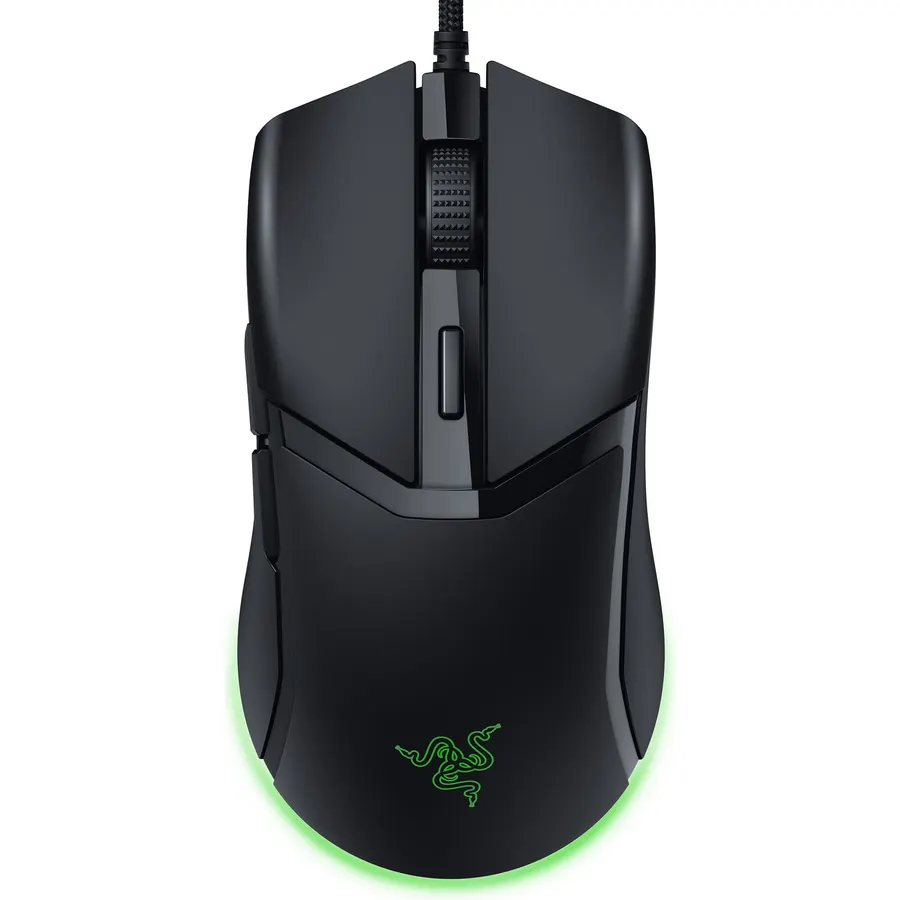
The Cobra is Razer’s small wired mouse, and this Gengar edition adds purple Pokemon artwork without changing the hardware: 58 grams, Gen-3 optical switches rated for 90 million clicks with 0.2 ms actuation, an 8,500 DPI sensor adjustable in 50 DPI steps, and a low-drag Speedflex cable. It is also one of very few mice this light with proper Chroma RGB, including a gradient underglow. The shape sits between the Viper Mini and a full-size Viper and suits claw, fingertip and smaller palm grips. The sensor is entry level and the artwork is the whole point for some buyers and a deal-breaker for others. About 2,200 owners rate it 4.6 stars, the joint-highest score here.
- 58 g wired with Gen-3 optical switches
- Chroma underglow, a rarity on light mice
- 4.6 stars from about 2,200 owners
- Fits most grip styles
- Gengar artwork is a love-it-or-leave-it choice
- Wired only
- 8,500 DPI sensor is entry level
Redragon M725 Honeycomb Shell Gaming Mouse Wireless Lightweight 49g -White
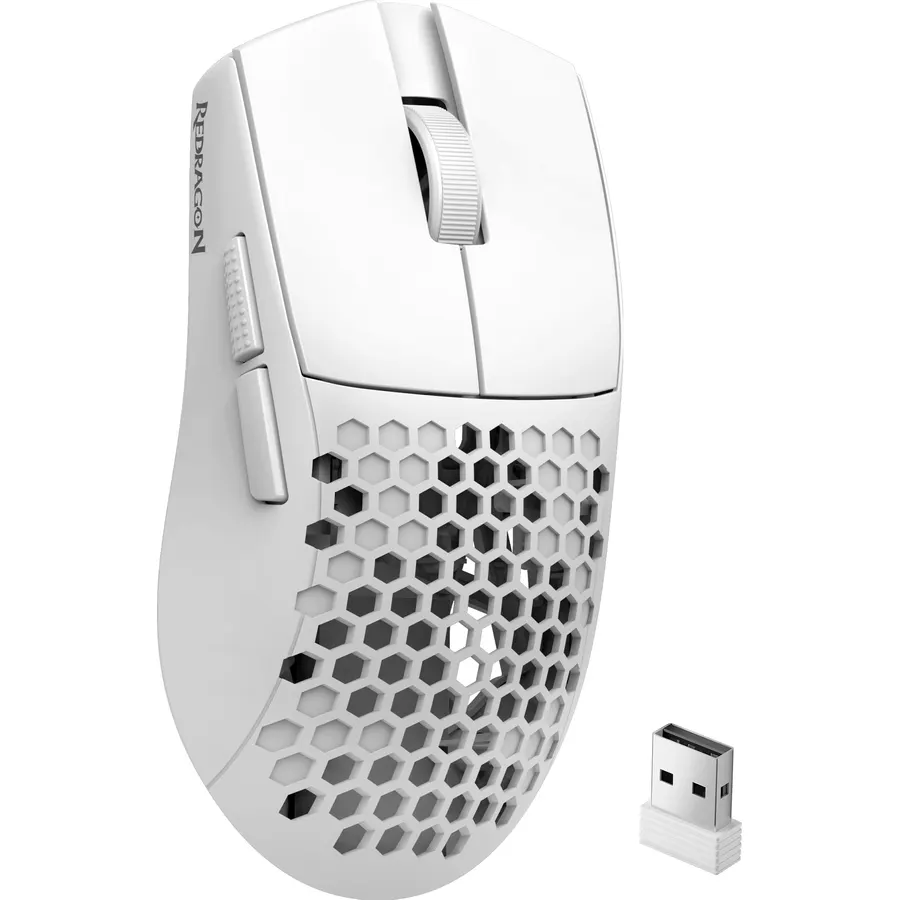
The M725 gets to 49 grams the old-fashioned way, with a honeycomb shell, and it is the lightest and cheapest mouse here. Redragon fits a sensor with five DPI levels up to 8,000, five programmable buttons, and a tri-mode connection covering USB-C wired, Bluetooth and 2.4 GHz, so it doubles as a laptop mouse. The symmetrical shape suits most grips and the ventilated shell keeps a sweaty palm cool. The downsides are inherent to the design: the holes collect debris, the switches are unrated, and the sensor is a budget unit that will not match a Focus Pro or HERO 2. About 1,100 owners rate it 4.4 stars, and for the money it is hard to argue with.
- The lightest mouse on this page at 49 g
- Three connection modes including Bluetooth
- Honeycomb shell keeps the palm cool
- 4.4 stars from about 1,100 owners
- Honeycomb holes collect dust and crumbs
- Mechanical switches with no stated click rating
- Budget sensor tops out at 8,000 DPI
Razer Viper V4 Pro Wireless Esports Gaming Mouse,50g,180Hr Battery, White
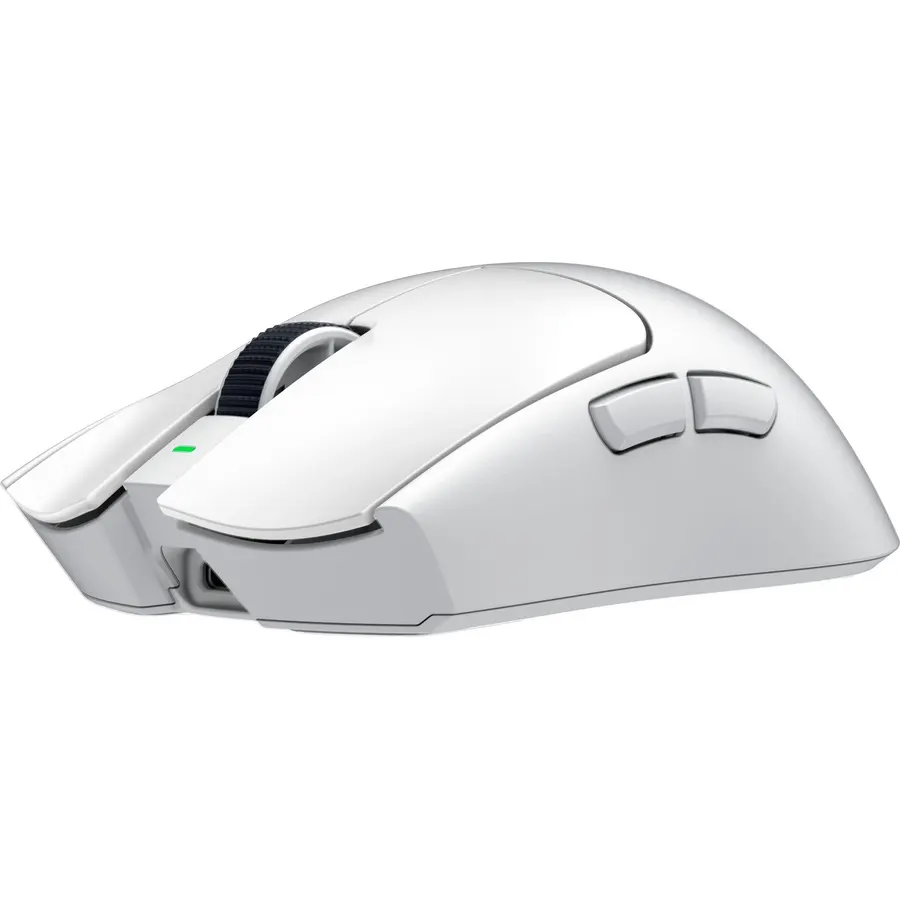
The Viper V4 Pro is the newest Razer flagship and improves on the V3 Pro in every measurable line: 50 grams instead of 54, a Focus Pro 50K Gen-3 sensor tracking 930 inches per second, HyperSpeed Gen-2 wireless with 55 percent lower latency, and battery life of 180 hours at 1000 Hz or 45 hours at a true 8000 Hz. Razer also moved to an optical scroll wheel and Gen-4 optical switches rated for 100 million clicks. It ranks eighth only because it is new: about 440 owners rate it 4.6 stars, matching the V3 Pro, but the long-term reliability record does not exist yet and it costs more than any other mouse here. If budget is no object and you want the lightest flagship, this is it.
- 50 g, 9 percent lighter than the V3 Pro
- Twice the battery life of the V3 Pro at standard polling
- Optical scroll wheel and Gen-4 optical switches
- 4.6 stars from about 440 owners
- The most expensive mouse here
- Newest model, so the review history is short
- White finish shows wear
Compare the picks
| Product | Weight | Connection | Sensor | Switches | Owner rating | Our score | |
|---|---|---|---|---|---|---|---|
| Razer Viper V3 ProRazer | 54 g | HyperSpeed, 8000 Hz | Focus Pro 35K Gen-2 | Optical Gen-3 | 4.6 (2,300+) | 9.2 | See price |
| Razer Viper MiniRazer | 61 g | Wired Speedflex | 8,500 DPI optical | Optical, 50M | 4.3 (10,600+) | 8.6 | See price |
| Razer Orochi V2Razer | 60 g + battery | HyperSpeed and Bluetooth | 18K optical | Mechanical Gen-2 | 4.4 (5,600+) | 8.8 | See price |
| Logitech Superlight 2 DEX SELogitech G | 60 g | Lightspeed, 1 kHz | HERO 2, 44K | Lightforce hybrid | 4.5 (580+) | 9.0 | See price |
| Razer DeathAdder V3 HyperSpeedRazer | 55 g | HyperSpeed, 8000 Hz optional | Focus X 26K | Optical Gen-3 | 4.4 (580+) | 8.8 | See price |
| Razer Cobra GengarRazer | 58 g | Wired Speedflex | 8,500 DPI optical | Optical Gen-3 | 4.6 (2,200+) | 9.2 | See price |
| Redragon M725Redragon | 49 g honeycomb | USB-C, Bluetooth, 2.4 GHz | 8,000 DPI | Mechanical | 4.4 (1,100+) | 8.8 | See price |
| Razer Viper V4 ProRazer | 50 g | HyperSpeed Gen-2, 8000 Hz | Focus Pro 50K Gen-3 | Optical Gen-4 | 4.6 (440+) | 9.1 | See price |
How light is light enough?
Below about 60 grams most players stop noticing further weight savings in their aim and start noticing them in their wallet. The jump from 90 grams to 60 changes how you flick and stop; the jump from 60 to 50 is a refinement that matters most for low-sensitivity players making big arm movements. Balance matters as much as the number: a solid-shell 54-gram Viper V3 Pro feels steadier than a honeycomb mouse of the same weight with a battery at the back. The Orochi V2 is the special case, since its weight depends on whether you fit an AA or an AAA.
Symmetrical or ergonomic?
Symmetrical mice (Viper V3 Pro, Viper V4 Pro, Viper Mini, Orochi V2, Cobra, M725) are flatter and suit claw and fingertip grips. Ergonomic right-handed mice (DeathAdder V3 HyperSpeed, Superlight 2 DEX) have a higher hump that fills a palm grip and reduces fatigue for players who rest the whole hand on the mouse. Neither is faster; the right one fits your hand. Small hands should look first at the Viper Mini and Orochi V2, large hands at the DeathAdder and DEX. Our ergonomic mouse for wrist pain guide covers comfort in more depth.
Optical switches, polling rate and battery
Optical switches (every Razer pick, and Logitech’s hybrid Lightforce) register the click with a light beam, so there is no debounce delay and no worn metal contact to cause double-clicking, the most common failure on gaming mice. Polling rate is how often the mouse reports to the PC: 1000 Hz is standard and fine for most players; 8000 Hz (Viper V3 Pro, Viper V4 Pro, DeathAdder with the add-on dongle) reduces motion delay and only shows its value on a high-refresh monitor. High polling costs battery: the V4 Pro drops from 180 hours to 45 when you turn it up, so most owners run 1000 or 2000 Hz day to day.
What is the lightest gaming mouse here?
The Redragon M725 at 49 g, with a honeycomb shell. Among solid-shell mice the Razer Viper V4 Pro is lightest at 50 g, then the Viper V3 Pro at 54 g and the DeathAdder V3 HyperSpeed at 55 g.
Are honeycomb gaming mice worth it?
They are the cheapest way to get under 50 g and keep a sweaty palm cool, but the holes collect dust and the shells flex. Modern solid-shell mice reach 50 to 60 g without holes, so honeycomb is now mainly a budget choice.
Is a lightweight mouse better for FPS games?
For most players, yes. A lighter mouse is quicker to start and stop, which helps flicks and tracking, and it tires the arm less over long sessions. Players who prefer heavy, deliberate aim may not benefit.
Does 8000 Hz polling matter?
It lowers input delay by a fraction of a millisecond and smooths cursor motion on high-refresh monitors, but it cuts battery life sharply. Competitive players on 240 Hz or faster screens notice it; most people are fine at 1000 Hz.
Which lightweight mouse is best for small hands?
The Razer Viper Mini and Orochi V2 are the smallest shapes here and suit small to medium hands with claw or fingertip grips. Large hands should look at the DeathAdder V3 HyperSpeed or the Superlight 2 DEX.
Prices and stock change daily. The buttons above open Amazon so you always see the current price. We may earn a commission if you buy through them, at no extra cost to you.
Do Best Deal is a participant in the Amazon Services LLC Associates Program. As an Amazon Associate we earn from qualifying purchases. If you buy through links on this site we may earn a commission, at no extra cost to you. Learn more.